

Neighbors Sketching Better Homes Together

Today we dive into organizing community design charrettes for home renovations, transforming isolated remodeling decisions into collaborative neighborhood improvements. You will learn how to plan inclusive sessions, gather diverse voices, translate sketches into buildable steps, and keep momentum alive. Share your questions as you read, add your experience in the comments, and subscribe to receive facilitation checklists, agenda templates, and outreach scripts tailored for real households and real constraints.

Stakeholder mapping that honors every household

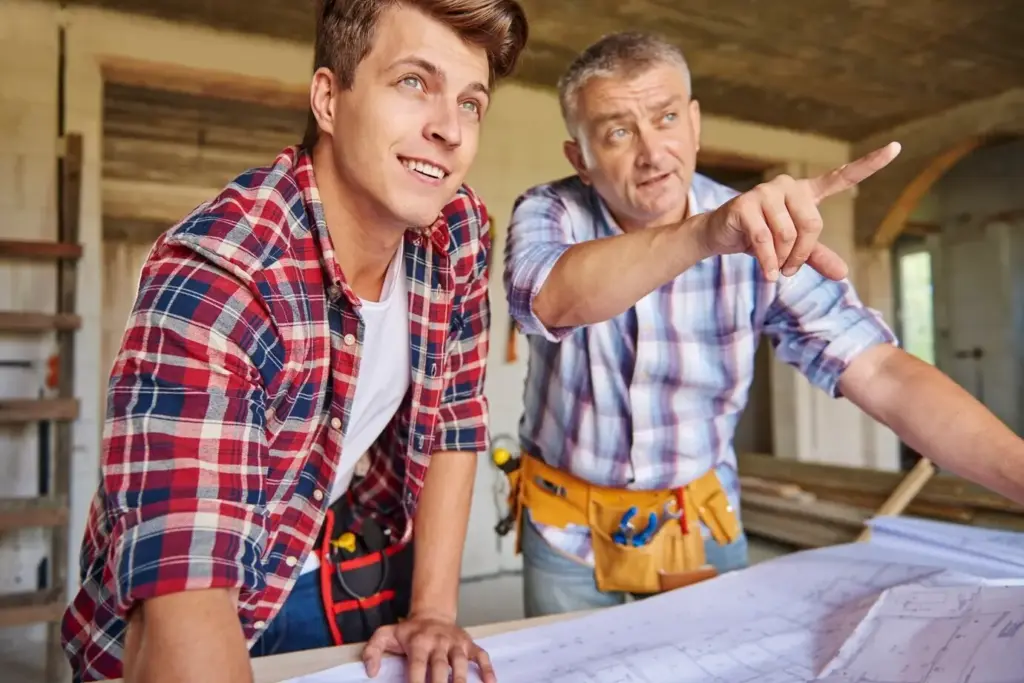
A thoughtful map should include homeowners eager for change, renters living through construction, neighbors affected by traffic, local builders, material suppliers, building officials, and even nearby schools impacted by noise. Invite each group with tailored language and distinct roles. When everyone’s stake is visible, participation grows, blind spots shrink, and charrette outcomes reflect real life rather than convenience or siloed professional assumptions.

Constraints that spark smarter ideas

List code limits, structural realities, climate considerations, and budget ranges upfront so creativity lands on buildable ground. Constraints are not cages; they are rails for momentum. Share sample materials costs, lead times, and permitting timelines. Use a visible wall of givens and negotiables to keep discussions honest. Participants then propose solutions that can actually be permitted, financed, and built without unpleasant surprises later.

Trust-building before a single sketch

Schedule brief pre-meetings with key voices to surface concerns privately and prevent meeting ambushes. Publish participant agreements covering respect, listening, timekeeping, and credit. Share the agenda and goals at least a week ahead with a plain-language FAQ. Trust multiplies when neighbors know what to expect, how to contribute, and how decisions will be documented. People show up prepared, generous, and ready to collaborate thoughtfully.

Outreach That Fills the Room

Great ideas require great turnout. Cast a wide net using flyers at corner stores, school newsletters, tenant associations, faith groups, and neighborhood social channels. Pair digital invites with friendly doorstep conversations led by respected residents. Translate materials, offer childcare, and choose accessible venues. Explain benefits beyond renovation aesthetics, like comfort, safety, and energy savings. Promise tangible follow-up, not endless meetings, and watch participation become both broad and enthusiastic.

Design an Agenda People Love

Structure the charrette to balance energy and focus. Start with shared values, then move into tactile, time-boxed activities that yield visible progress. Alternate plenary inspiration with small-group making. Build in purposeful breaks, snacks, and checkpoints. Close with commitments, next steps, and a sign-up sheet. The best agenda feels playful yet efficient, leaving participants proud of outcomes and excited to return for follow-through sessions and build decisions.

Tools That Turn Ideas Into Sketches

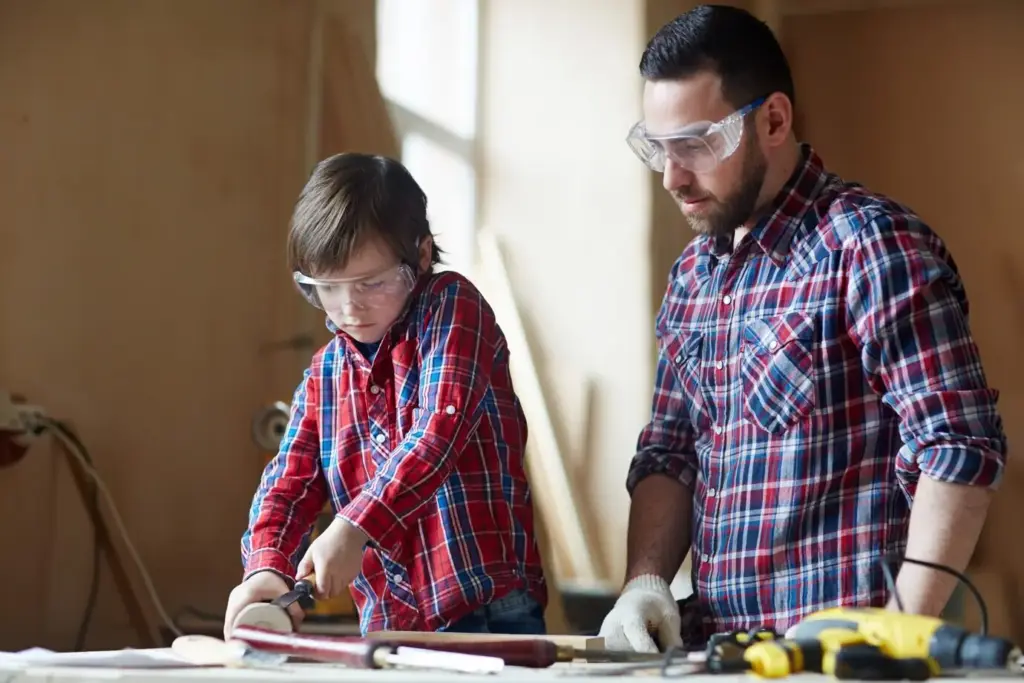
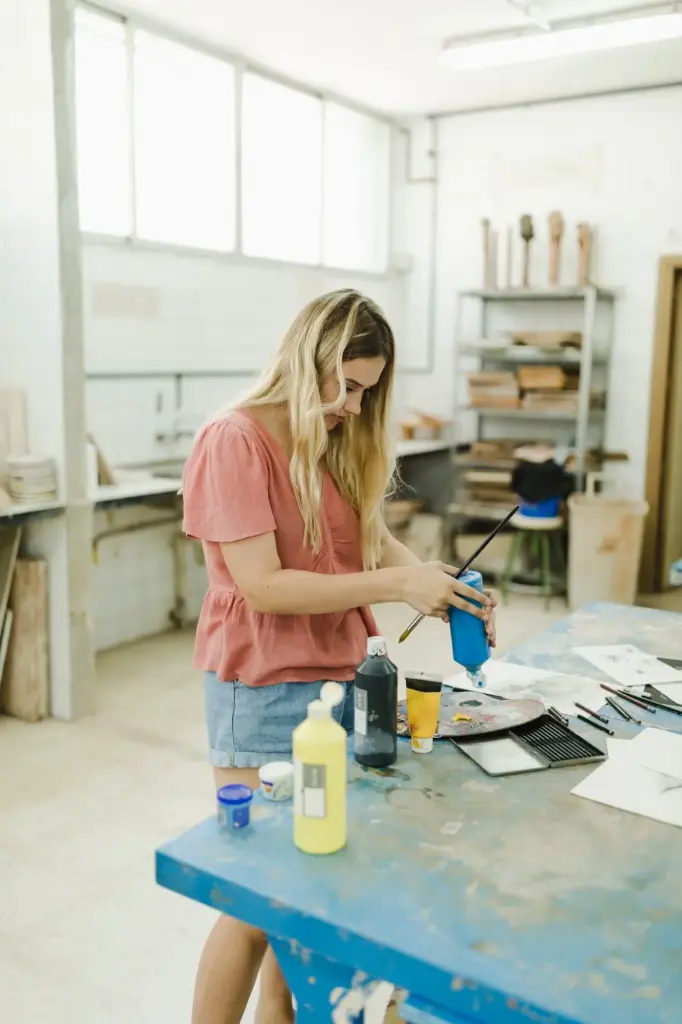
Equip the room with tactile materials and approachable digital aids so everyone can contribute. Provide printed base plans, tracing paper, scale rulers, sticky notes, colored dots, and sample material swatches. Add tablets with simple diagramming apps for remote participants. Curate precedent images that reflect local housing types. Tools should invite drawing, rearranging, voting, and annotating. When tools fit the task, creativity blooms and outcomes become visibly actionable.

Tactile kits that energize collaboration

Assemble kits with scissors, tape, cardboard cutouts of furniture, daylight arrows, and colored markers tied to specific intentions like safety, comfort, or cost. Hands-on making reduces perfectionism and sparks laughter. People try bolder ideas when erasing is painless. Include sample insulation, hardware, and cabinet finishes to ground conversations in touch and weight. The physicality converts abstractions into decisions, especially for participants less comfortable with technical drawings.

Digital canvases that bridge schedules

Not everyone can attend in person. Use shared whiteboards with preloaded base plans, sticker packs, and comment threads. Offer asynchronous windows for feedback and quick polls on priorities. Keep the interface simple and mobile-friendly. Export layers as PDFs for permitting discussions later. Digital tools extend the charrette beyond the room, honoring busy lives while collecting insights that help translate neighborhood wisdom into coordinated, documented renovation directions.

Visual prompts that anchor decisions

Curate a compact gallery of precedent images showing modest kitchens, durable entries, safer stairs, and clever storage within typical budgets. Label each with costs, materials, and maintenance notes. These prompts reduce guesswork and stigma: inspiration feels attainable, not aspirational. Participants reference photos to align vocabulary, preventing miscommunication about styles or finishes. With clearer expectations, groups converge faster on decisions that match aesthetic hopes and practical constraints.

Facilitation that Welcomes Every Voice

Guiding a charrette requires humility, clarity, and gentle authority. Set norms, track speaking time, and invite quieter participants first. Translate technical language without dumbing it down. Intervene early when debates harden, and redirect toward shared goals like comfort, safety, and durability. Celebrate small agreements publicly. A good facilitator protects momentum and dignity alike, ensuring every contribution shapes outcomes rather than getting buried beneath the confident few.

Synthesize insights without losing nuance

Cluster notes by need, not by person. Use affinity mapping to reveal repeated pain points and shared opportunities. Capture dissent as design risks to manage, not noise to ignore. Include photos of final sketches and a short narrative per cluster. This keeps memory intact while producing clarity for builders, lenders, and officials who must understand the logic behind proposed renovation choices and the household benefits they unlock.

Prioritize with transparent criteria

Adopt a simple matrix scoring impact, cost, complexity, and urgency. Invite the group to score publicly, then discuss tradeoffs. Label items as quick wins, near-term, or long-term. Transparency prevents suspicion and helps households plan budgets realistically. Publish the matrix with rationale so future decisions remain consistent. Subscribers can download our editable template; share your adaptations in the comments to help others refine their own decision tools.

Document outcomes that invite accountability

Produce a concise package: agenda, attendees, final sketches, photos, decisions, open questions, and assigned responsibilities. Share it within forty-eight hours to sustain momentum. Add a feedback link and a sign-up sheet for pilot volunteers. Clear documentation proves that contributions mattered and creates continuity between meeting energy and construction timelines. It also supports permit conversations by demonstrating community input and thoughtful, traceable reasoning behind each chosen direction.

Keep Momentum After the Last Marker Cap

Sustained engagement turns one lively session into a durable neighborhood practice. Schedule check-ins tied to milestones, from cost estimates to permit submission. Celebrate quick wins publicly, like a safer entry detail or improved ventilation plan. Track participation, satisfaction, and implementation progress. Invite new voices each cycle. If you found value here, subscribe for quarterly charrette prompts, and share your post-session stories so we can feature practical lessons learned.

Measure what matters and share results

Create a simple dashboard tracking attendance diversity, decision clarity, budget alignment, and implementation status. Include qualitative quotes to keep humanity visible. Publish updates where neighbors actually gather: the library noticeboard, group chats, and local newsletters. When evidence is shared regularly, confidence grows, fundraising becomes easier, and skepticism fades. Measurement becomes community storytelling, proving that collaborative design can deliver real comfort, safety, and pride at home.

Pilot quick wins to sustain belief

Choose one or two low-cost, high-impact actions to build momentum, like weatherstripping workshops or modular storage installs. Document the process with before-and-after photos and short cost breakdowns. Quick wins convert sketches into benefits people can touch, encouraging larger commitments. Invite volunteers through a simple sign-up and thank them publicly. Success breeds participation, making the next charrette fuller, faster, and anchored in tangible neighborhood improvements.

Form a neighborhood design circle

Establish a small, rotating group that stewards agendas, outreach, and documentation. Keep roles lightweight and open to newcomers. Provide a shared folder of templates and lessons learned for continuity. The circle ensures institutional memory survives busy seasons. It also grows new facilitators, distributing leadership and preventing burnout. If you are interested, comment with your availability and skills, and we will share a simple starter charter.
Pazotovixavi
Privacy Overview

This website uses cookies so that we can provide you with the best user experience possible. Cookie information is stored in your browser and performs functions such as recognising you when you return to our website and helping our team to understand which sections of the website you find most interesting and useful.