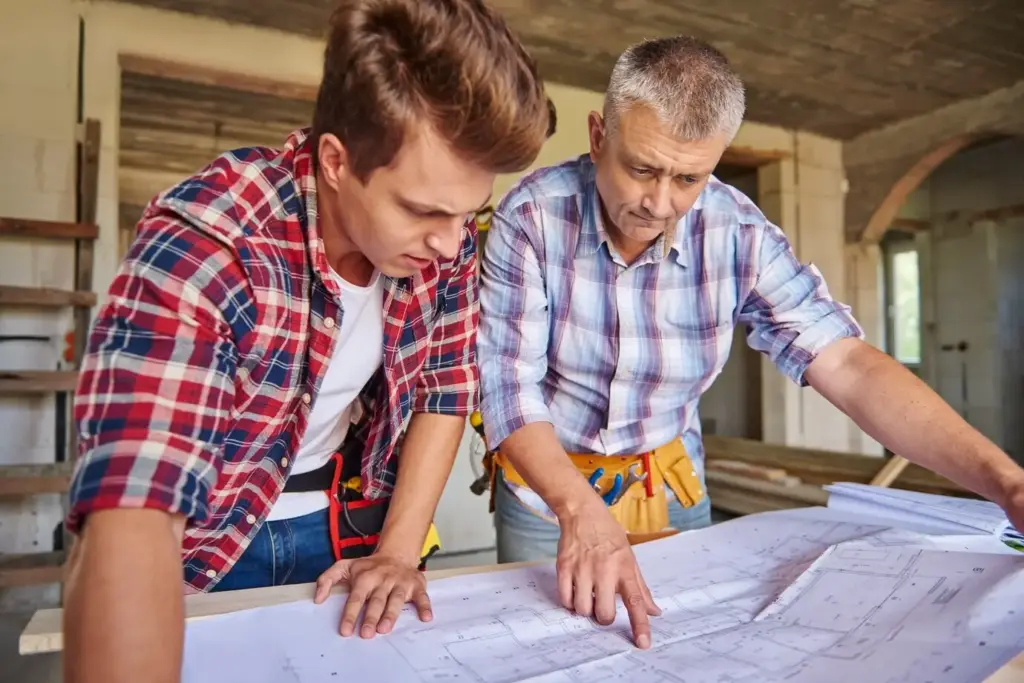
Homes Renewed by Local Hands and Honest Materials

Today we explore using local materials and craftspeople in community-guided home makeovers, celebrating practical beauty, fair work, and place-based wisdom. Expect actionable ideas, heartfelt stories, and clear steps that help you rebuild rooms, porches, and gardens with neighbors, reduce waste, honor heritage, and spend budgets where they strengthen shared futures. Subscribe for practical guides, share your neighborhood examples, and send questions for our next community Q&A to keep the conversation grounded, generous, and joyfully useful.

Why Local Matters for Lasting Homes

Embodied Energy, Nearby Journeys

Choosing stone, timber, clay, and lime from within driving distance dramatically cuts transportation impacts while revealing a material’s story. When you can tour the mill or quarry, you understand moisture content, curing, and safe finishes, making smarter durability decisions that lower lifetime repairs and celebrate the land beneath your feet.

Skills That Outlast Trends

Local craftspeople refine methods over decades, adapting joinery, plasters, and detailing to specific weather, soils, and building quirks. That experience prevents shortcuts that crack later. Their pride shows in alignment, tactile finishes, and precise fits, giving your home character and reducing costly callbacks through thoughtful, context-aware workmanship.

Trust, Accountability, and Speed

When the crew lives nearby, they protect their reputation, arrive punctually, and return for fine-tuning without delay. Community eyes keep standards high, and shared cafés become design studios. Misunderstandings shrink because feedback happens face-to-face, building empathy, clarity, and well-timed decisions that keep schedules realistic and relationships strong.

Finding and Vetting Craftspeople Nearby

Start with farmer’s markets, maker fairs, heritage guilds, and neighborhood groups, then check portfolios, licenses, and safety practices. Visit current sites, ask about apprentices, and request references. Pilot a small task, agree on scope, and budget milestones. Pay fairly, build mutual respect, and expect durable, beautiful work.

Timber That Carries a Regional Accent

Select species known locally for durability, then confirm moisture content with a meter and ask about kiln schedules. Consider quarter-sawn boards for stability. Reclaimed beams reduce forest pressure and add history. Finish with low-tox oils, and store correctly on site to prevent warping during unpredictable weather.

Stone, Brick, and Earth Finishes

Local stone thresholds resist freeze-thaw cycles better than imports, while salvaged brick offers beauty and mass that moderates temperature. Earth plasters mixed with regional sands breathe, manage humidity, and accept mineral pigments. Test patches in corners reveal color shifts, curing times, and how sweeping sun rakes quiet textures.

A Kitchen Planned Over a Potluck

Neighbors brought recipes, measured pans, and taped floor zones on a community hall stage. A local cabinetmaker translated circulation patterns into generous aisles, while a tile artist matched glazes to seasonal produce. Because voices were heard, everyone cleaned grout together, sharing pride, playlists, and long-lasting care routines.

Honoring Heritage Without Freezing Time

Retain porch proportions, roof pitches, and window rhythms, yet add insulation, better sashes, and discreet wiring. Local carpenters replicate profiles with hand tools that respect grain. The result feels familiar and fresh, welcoming elders and kids while lowering bills and keeping future maintenance practical and teachable.

From Disagreement to Shared Direction

Use dot voting, stacked speaking, and clear roles to move from strong opinions to principled choices. Bring mockups outdoors so sunlight reveals shadows and scale. Document trade-offs plainly. When residents witness options together, frustration softens, timelines stabilize, and the finished space reflects collective dignity rather than designer ego.

Budgeting, Grants, and Shared Tools

Balance quality and cost by pairing professional labor with volunteer tasks suited to community skill levels. Seek microgrants, tax incentives, and materials sponsors; borrow from tool libraries and cooperatives. Create a contingency buffer. Transparent spreadsheets build trust, prevent surprises, and keep the project humane when unexpected conditions appear.

Fair Pay, Real Numbers

Respect day rates and include travel, setup, cleanup, and insurance when comparing proposals. Add a line for apprentices and student helpers. Share budget logic with the neighborhood committee, invite questions openly, and adjust scope rather than wages. Quality work survives decades; underpaid work rarely survives a winter.

Funding Paths Beyond Loans

Tap community foundations, preservation grants, historic tax credits, and utility rebates for insulation or efficient equipment. Organize small crowdfunding rounds for distinctive craft elements like handrails or tiles. Approach local businesses for in-kind donations, crediting them on plaques. Shared investment deepens stewardship and transforms projects into neighborhood rituals.

Phasing Without Losing Momentum

Break work into weatherproof stages: envelope first, then kitchens and baths, then finishes. Store salvaged materials safely between phases. Celebrate each milestone publicly, inviting residents to tour, learn, and sign up for the next sprint. Visible progress keeps enthusiasm high and cushions temporary delays or funding gaps.

Maintenance, Training, and Care That Endures

Build handover rituals: checklists, spare materials labeled by room, and workshops that teach cleaning, oiling, and limewashing. Local crews return seasonally to inspect joints, drains, and finishes. Documentation keeps knowledge accessible, while community practice ensures improvements stay beautiful, safe, and affordable for families long after ribbon-cutting.

Stories From Streets That Care

A Porch Reborn During Weekend Markets

Vendors donated offcut cedar, and a band played while a carpenter led residents through safe sanding and oiling. Kids stenciled patterns under each tread. The entry now smells of citrus oil after rain, welcomes wheelchairs gracefully, and reminds shoppers that kindness can be measured in board feet.

Clay Walls, Quieter Evenings

A crew mixed local clay with straw and mica, inviting families to apply finish coats during a Saturday teach-in. By Monday, echoes softened, summer heat slowed, and lullabies carried. The calendar now reserves one day each year for touching up, tea, and stories about patient craftsmanship.

Tiles Painted by the Whole Block

Neighbors each decorated a small square with plants, constellations, and street names, then a kiln two bus stops away fired the set. Installed as a backsplash, the mural doubles as a map for newcomers, sparking conversations and teaching dishwashers the legends held within their own hands.

Pazotovixavi
Privacy Overview

This website uses cookies so that we can provide you with the best user experience possible. Cookie information is stored in your browser and performs functions such as recognising you when you return to our website and helping our team to understand which sections of the website you find most interesting and useful.