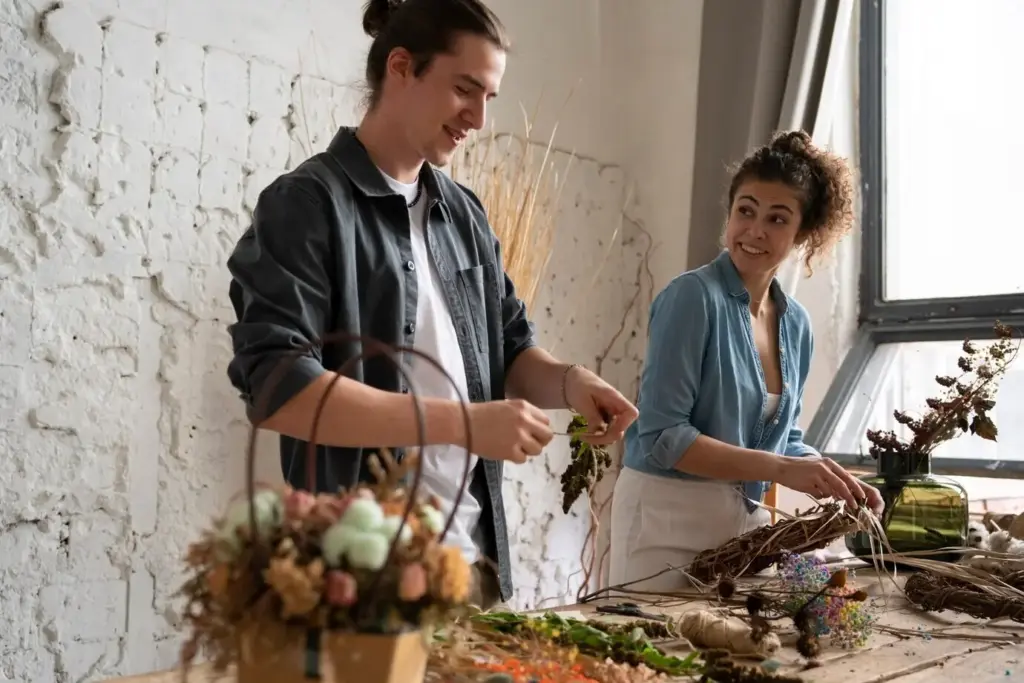
Homes Shaped by the Block’s Collective Imagination

Today we dive into Neighborhood-Sourced Home Design, turning local knowledge, discarded treasures, and shared skills into warm, resilient spaces. From porch conversations to salvage-yard discoveries, we’ll map practical steps, celebrate neighborly stories, and invite your ideas, photos, and questions to keep this evolving together.

Foundations for a Local-First Plan

Before sketching layouts, listen to the block. Document climate quirks, sun paths, noise rhythms, and what neighbors already solved. Combine these observations with your household needs to form a road map grounded in trust, practical constraints, and everyday experience, not glossy catalogs.

Map the People and Places

Create a simple inventory of who knows what, who has tools, and which corners hide reusable materials. Photograph front gardens, porches, and alley fences for patterns you love. Ask permission, note names, and offer returns or help for fairness and continuity.

Define Household Goals Together

Gather everyone living in the space, including kids, to articulate comfort, accessibility, and daily rituals. Translate those values into must‑haves and nice‑to‑haves that neighbors can realistically support. Clear priorities prevent drift, misunderstandings, and mismatched favors during friendly collaboration and material swaps.

Materials Within Walking Distance

Sourcing nearby shortens timelines and widens stories. Explore curb alerts, local forums, deconstruction crews, church basements, and small shops that know every crate. Verify quality, trace past use, and bring items home with gratitude, visible repair, and documentation that honors their origin.

Aesthetics Rooted in the Street

Let nearby façades, stoops, and gardens suggest palettes, lines, and patterns. Translate that character indoors with trims, textiles, and light that echo what you already admire outside. The result feels inevitable, neighborly, and calm because it emerges from lived, shared surroundings.

Collaborative Making and Skill‑Sharing

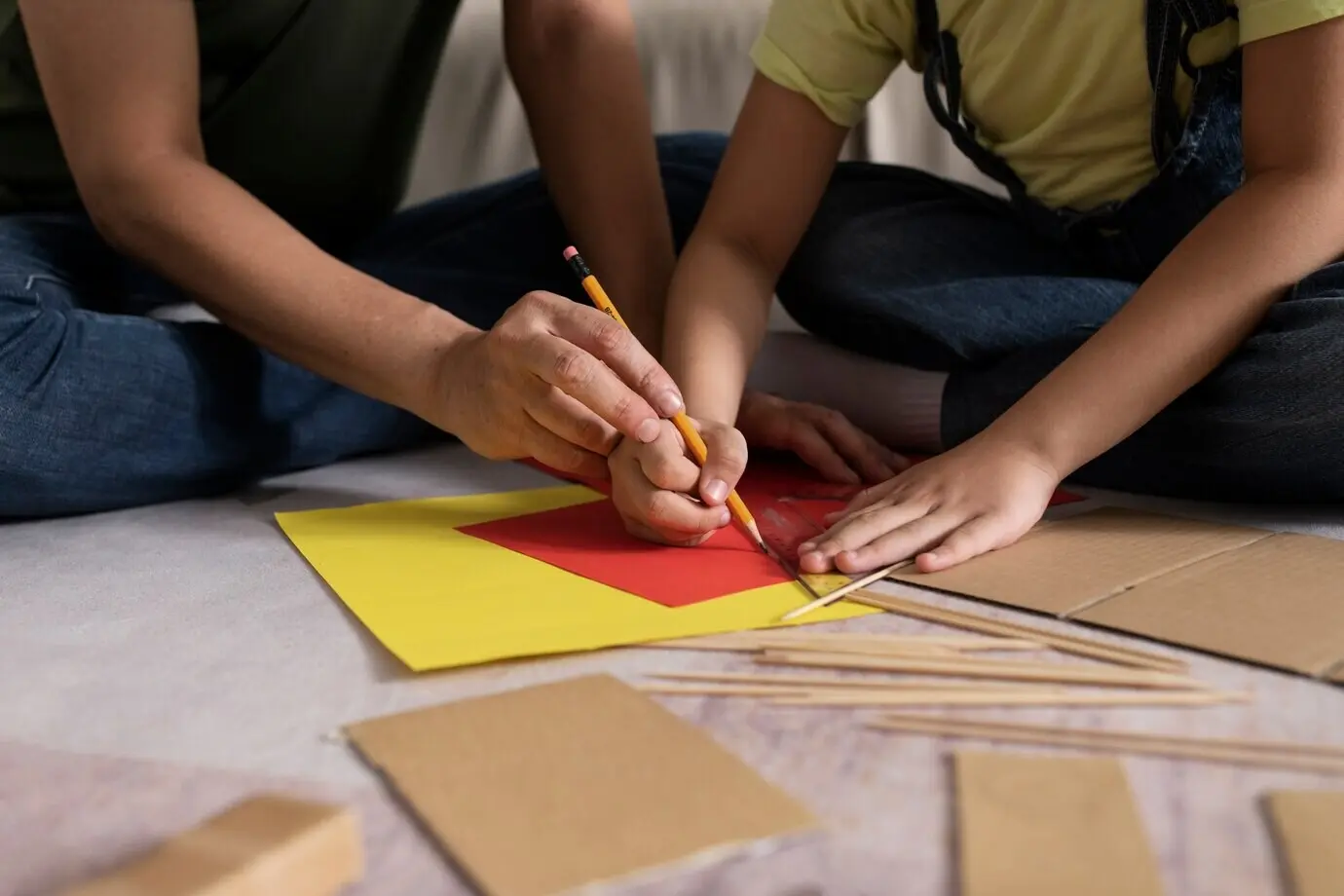
Projects move faster and feel richer when neighbors co‑create. Plan weekend sessions with clear roles, snacks, and safety guidelines. Rotate homes, document progress, and celebrate milestones. Collective effort turns strangers into friends while transferring knowledge that makes maintenance easier long after sawdust settles.

Kitchen‑Table Micro‑Workshops

Host short evening lessons on patching plaster, replacing outlets, or organizing a tool bag. Keep groups small and hands‑on. Shared confidence prevents expensive mistakes and creates reliable helpers next door, ready to advise when your project reaches its trickiest junction.

Tool Libraries and Safety Rituals

Join or start a lending system that tracks saws, sanders, bits, and blades. Pair every checkout with a five‑minute safety briefing and protective gear checklist. Fewer accidents, sharper tools, and predictable returns keep goodwill strong and projects humming along smoothly.

Sustainability Woven Into Daily Life

Local sourcing reduces transport emissions, but resilient design goes further. Learn from nearby building performance, orient rooms for daylight, and prioritize durable finishes. Add water‑wise habits and repair culture so the home thrives through seasons, budgets, and changing community needs.

Etiquette, Stories, and Long‑Term Care

Relationships outlast projects, so choose processes that nurture them. Ask clearly, listen generously, and never pressure. Keep timelines honest and cleanup thorough. Collect stories as you build, then return often to maintain, repair, and keep doors open for the next dreamer.
Pazotovixavi
Privacy Overview

This website uses cookies so that we can provide you with the best user experience possible. Cookie information is stored in your browser and performs functions such as recognising you when you return to our website and helping our team to understand which sections of the website you find most interesting and useful.